

Shedding Fat While Getting your ZZZZ’s?
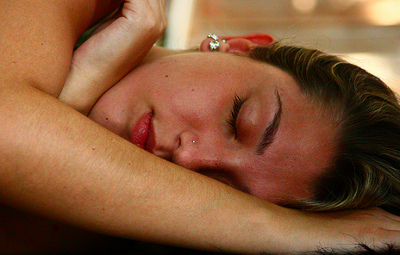 We’ve all heard that by getting more sleep you can lose weight.
There’s even an entire diet labelled around this idea.
Is it true? Well, sort of.
It’s not quite as simple as getting 8 hours of sleep and shedding pounds overnight without changing any other bad habits! But there is some truth behind it all and it has to do with hormones.
When we sleep, we produce a whole host of hormones such as melatonin, growth hormone and cortisol (among others). Cortisol is a big player here. It is the hormone in charge of our stress and is secreted by our adrenal glands.
After a good night’s sleep, we’re supposed to wake up with a high level of cortisol so we can start our day off right and prepare to take on the day’s stressful tasks (read – don’t need a huge cuppa caffiene to get going). As the day progresses, our cortisol levels begin to taper off, eventually dropping down at night time so we are ready to settle down and go to bed. With little or disrupted sleep, our adrenal glands cannot produce optimal cortisol levels, which means we can’t wake up and take the day on properly without having any harmful side effects such as poor eating habits.
Just think, after a poor night’s sleep, are you in a good mood? Do you crave whole fruits and vegetables? Most of us become cranky and stressed (including me!) and crave carbs and simple sugars for a quick fix. When you’re in this place it’s hard to take the time for a healthier choice. After a particularly bad night, I know that if you throw a bag of groceries on the counter with vegetables that need to be prepped along with a bag of chocolate chip cookies that simply need to be opened, I’m dive bombing for those cookies!!
Consistent sleep-deprivation can cause high cortisol all day long, which results in increased appetite without ever feeling full. Eventually, your body struggles to metabolize the extra calories and instead of using them for energy, you end up with high blood sugar levels, which leads to high insulin levels, which leads to storage of all this extra ‘energy’ .
Simply put high cortisol = increased appetite = high blood sugars = high insulin = extra storage of FAT and subsequently, weight gain!!!
In our next post about Sleep & Weight Loss, we’ll be talking about the “sleep diet”, will give you some more info about how hormones are affected by sleep and 6 tips on how to get a better sleep at night.
In the meantime, we want to know:
Are you usually able to start your day without a kickstart from caffiene?
Do you find yourself craving carbs and simple sugars after a poor night’s sleep?
Image credit via Flickr.
